
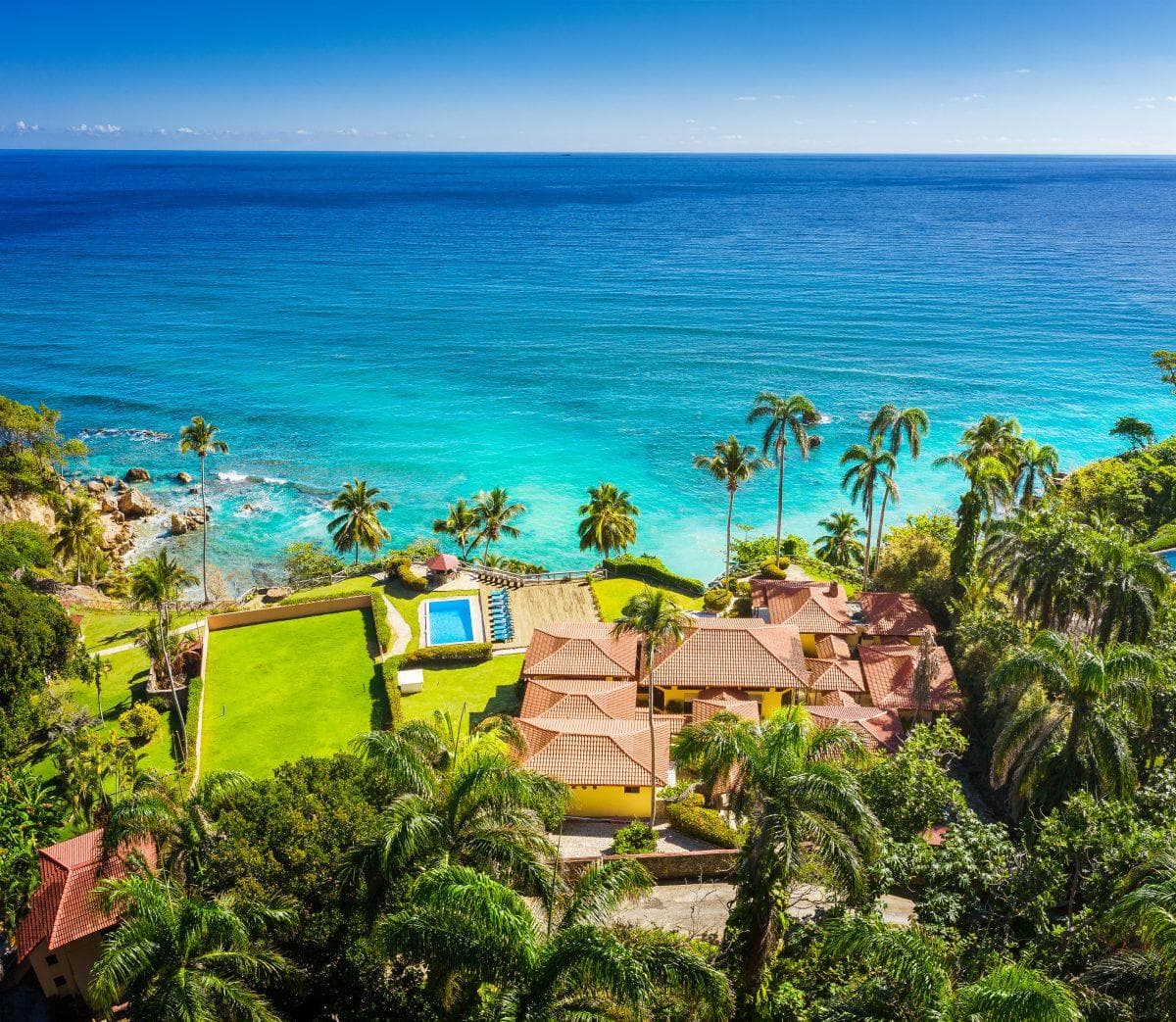



Dominican Houses for Sale: A 2026 Guide to Buying a Home in the Dominican Republic
Looking for Dominican houses for sale? The Dominican Republic has become one of the Caribbean's most popular destinations for international buyers looking for a vacation home, retirement property, rental investment or permanent residence.
From modern villas with private pools to ocean-view homes and properties inside secure residential communities, there is a wide range of real estate available across the country.
For buyers specifically interested in the North Coast, Sosúa, Cabarete and Puerto Plata offer a combination of beaches, international communities, restaurants, services and access to Puerto Plata International Airport.
But finding the right house is about more than choosing a beautiful property.
You also need to understand the location, ownership process, property taxes, closing costs, financing and legal due diligence.
This guide covers what international buyers should know before purchasing a house in the Dominican Republic in 2026.
Why Buy a House in the Dominican Republic?
The Dominican Republic offers something that is increasingly difficult to find in many established Caribbean markets: a wide selection of properties at different price points.
International buyers are purchasing homes for several reasons:
- Caribbean vacation homes
- Retirement and relocation
- Second homes
- Long-term rentals
- Vacation rentals
- Lifestyle investments
- Land and new construction
The country also offers a variety of locations, from major cities and established tourist destinations to quieter coastal communities.
For many foreign buyers, however, the North Coast of the Dominican Republic stands out because it combines a tropical lifestyle with an established international community and a broad selection of homes and villas.
Can Foreigners Buy Houses in the Dominican Republic?
Yes. Foreigners can buy and own real estate in the Dominican Republic.
You do not generally need to be a Dominican citizen or resident to purchase a house, villa, condo or land.
Foreign buyers can purchase property in their own name, while some investors may consider using a Dominican company depending on their individual tax, estate-planning and investment circumstances.
The most important point is to complete proper legal due diligence before purchasing.
Your attorney should verify the property's title, ownership, liens, taxes and other relevant documentation before you complete the transaction.
If you are new to the market, our guide on buying property in the Dominican Republic explains the process in more detail.
Where Can You Find Houses for Sale in the Dominican Republic?
The best location depends on your lifestyle and what you want the property to achieve.
Sosúa
Sosúa is one of the most established international real estate markets on the Dominican Republic's North Coast.
The area offers everything from affordable condos to luxury villas, gated communities and oceanfront properties.
Sosúa is particularly attractive for buyers who want:
- Easy beach access
- Restaurants and nightlife
- International services
- Gated communities
- Private-pool villas
- Ocean-view properties
- Rental opportunities
If you are specifically looking for houses for sale in Sosúa, our Sosúa real estate guide is a useful place to start.
Cabarete
Cabarete has a different atmosphere.
It is internationally known for kitesurfing, wind sports, beaches, restaurants and an active outdoor lifestyle.
Homes and villas in Cabarete can be particularly attractive to buyers who want to combine their property with an active Caribbean lifestyle.
The market includes beachfront properties, modern condos, private villas and luxury residential communities.
Puerto Plata
Puerto Plata offers a larger city environment with access to shopping, healthcare, restaurants, services and the international airport.
The wider Puerto Plata area is also experiencing continued tourism and development activity, making it a location worth watching for property buyers.
Cabrera & Río San Juan
For buyers looking for a quieter environment, areas such as Cabrera and Río San Juan offer a different type of Caribbean lifestyle.
These markets can be interesting for buyers looking for larger lots, custom homes, privacy and a less developed coastal environment.
What Types of Dominican Houses Are Available?
One of the biggest advantages of the Dominican property market is the variety of housing available.
Villas With Private Pools
Private villas are among the most popular options for international buyers.
A typical villa may include:
- Private swimming pool
- Tropical garden
- Outdoor terrace
- Multiple bedrooms
- Open-plan living areas
- Parking
- Security or gated-community access
They can work particularly well as primary residences, vacation homes or professionally managed rental properties.
Ocean-View Houses
Properties with ocean views are highly sought after, particularly around Sosúa and Cabarete.
However, buyers should distinguish between ocean view, oceanfront and direct beach access. These are not necessarily the same thing.
Gated-Community Villas
Gated communities are popular with international buyers because they can provide security, shared infrastructure and community amenities.
Depending on the development, amenities may include pools, security, tennis, restaurants, gardens and beach access.
Pre-Construction Homes
Another option is purchasing a house before construction is completed.
Pre-construction properties may offer staged payment schedules and the opportunity to select certain finishes or upgrades.
However, buyers should carefully investigate the developer, contract, construction timeline, payment schedule and title structure before committing.
How Much Do Houses Cost in the Dominican Republic?
There is no single average price for a Dominican house.
Prices vary significantly depending on:
- Location
- Distance from the beach
- Lot size
- Construction quality
- Number of bedrooms
- Pool and outdoor space
- Ocean views
- Gated-community amenities
- Age and condition
- Furnishing
- Development potential
A small property in an inland neighborhood can have a completely different price from a luxury oceanfront villa in an established residential community.
For this reason, comparing properties solely by asking price can be misleading.
Instead, compare price per square meter, land size, location, condition, amenities and comparable properties.
Is Buying a House in the Dominican Republic a Good Investment?
It can be, but the answer depends heavily on the property.
A house can potentially generate rental income, appreciate in value or provide personal lifestyle benefits. However, no property should be purchased based solely on a projected rental yield or appreciation forecast.
Before buying an investment property, calculate:
- Purchase price
- Transfer taxes
- Legal fees
- HOA fees
- Insurance
- Maintenance
- Property management
- Utilities
- Furnishing
- Vacancy periods
- Rental platform fees
- Local taxes
Then compare the expected income with the actual annual cost of ownership.
A property that looks inexpensive may not necessarily be the best investment, while a more expensive property in a stronger location may have better long-term demand.
What Are the Costs of Buying a House?
The purchase price is not the only cost.
Foreign buyers should budget for transaction expenses including legal fees and the real estate transfer tax.
The Dominican tax authority states that the real estate transfer tax is 3%, based on the applicable value used for the transfer.
There may also be legal, registration, notary and other transaction-related expenses.
Your attorney should provide a complete estimate before you sign the final agreement.
How Does the Buying Process Work?
The process typically follows several stages.
1. Define Your Budget
Decide how much you are comfortable spending, including closing costs and ongoing expenses.
2. Choose the Location
Spend time in the area before purchasing.
Visit different neighborhoods and compare properties rather than falling in love with the first house you see.
3. Find the Property
Work with a local real estate professional who understands the area and can provide comparable properties.
4. Make an Offer
Once you have identified a suitable property, negotiate the purchase price and terms.
5. Complete Legal Due Diligence
Your attorney should verify the title and investigate potential liens, mortgages, taxes and other legal issues.
6. Sign the Purchase Agreement
Once the legal checks are satisfactory, the parties can proceed with the purchase agreement and agreed deposit.
7. Complete the Closing
The remaining funds are paid according to the agreed transaction structure and the ownership transfer is completed through the relevant Dominican authorities.
Can Foreigners Finance a House in the Dominican Republic?
Yes, financing is available to qualified foreign buyers, although terms can differ considerably from what buyers may be accustomed to in the United States, Canada or Europe.
Possible options include:
- Dominican bank financing
- Developer financing
- Owner financing
- Financing secured against assets in your home country
- Cash purchases
The required down payment, interest rate, term and documentation depend on the lender and the buyer's circumstances.
Do not assume that an advertised financing structure applies to every buyer.
What Should You Check Before Buying?
This is where international buyers should be particularly careful.
Before purchasing a house, have your attorney verify:
Property Title
Make sure the seller has the legal right to sell the property and that the title is properly documented.
Liens and Mortgages
Check whether there are outstanding liens, mortgages or other claims against the property.
Property Taxes
Confirm that applicable property taxes have been paid.
HOA Fees
If the property is located in a residential community, confirm the monthly or annual HOA fees and whether the seller has outstanding balances.
Property Boundaries
For houses with larger lots, verify that the actual property boundaries correspond with the legal documentation.
Construction
For newer or recently renovated properties, investigate permits, plans and construction documentation where applicable.
What Makes the North Coast Attractive?
For many international buyers, the North Coast offers an appealing combination of Caribbean lifestyle and everyday convenience.
Sosúa and Cabarete provide access to beaches, restaurants, shopping, international services and outdoor activities, while Puerto Plata provides a larger urban center.
The region also benefits from proximity to Puerto Plata International Airport (POP), making the North Coast relatively accessible to international visitors.
And there is a wide range of property styles.
You can find a modern one-bedroom condo, a three-bedroom family villa, a beachfront apartment or a large luxury estate without leaving the region.
Should You Buy a House or a Condo?
This is one of the most important decisions for a buyer.
A House May Be Better If You Want:
- More privacy
- A private pool
- A larger garden
- More outdoor space
- More control over the property
- A family residence
A Condo May Be Better If You Want:
- Lower maintenance
- Shared amenities
- Security
- Beach or ocean access
- A lock-and-leave vacation property
- Easier property management
Neither is automatically the better investment.
The right choice depends on your budget, intended use and how much responsibility you want to take on.
Frequently Asked Questions
Can Americans buy houses in the Dominican Republic?
Yes. U.S. citizens can purchase Dominican real estate, subject to the same general ownership framework available to foreign buyers.
Can Canadians buy property in the Dominican Republic?
Yes. Canadian citizens can also purchase real estate in the Dominican Republic.
Do I need residency to buy a house?
Generally, no. Property ownership and residency are separate matters.
Is it safe to buy property in the Dominican Republic?
The process can be straightforward when proper due diligence is completed. The most important protection is working with qualified legal professionals and verifying the property's documentation before completing the purchase.
Is Sosúa a good place to buy a house?
Sosúa is one of the North Coast's most established real estate markets and offers a wide variety of homes, villas and condos for international buyers.
Is Cabarete good for buying a vacation home?
Cabarete can be particularly attractive for buyers who value beaches, water sports, restaurants and an active international lifestyle.
Final Thoughts
If you are searching for Dominican houses for sale, don't make your decision based on price or photos alone.
The best property is the one that fits your lifestyle, budget, location preferences and long-term plans.
For international buyers, the North Coast deserves particular attention.
Sosúa, Cabarete and Puerto Plata offer different lifestyles and property opportunities, from affordable condos to luxury villas and large private estates.
Take your time, visit the area, compare properties and complete professional legal due diligence before purchasing.
And if you're ready to see what's currently available, explore our Sosúa houses and properties for sale or latest listings.
Ready to Find Your Dominican Home?
Our team helps international buyers find properties across the Dominican Republic's North Coast and guides them through the purchase process.
Contact InStyle Investments to discuss your budget, preferred location and what you're looking for in a Dominican home.