




Dominican Republic Real Estate FAQ – Complete 2026 Guide for Buyers
Buying real estate in the Dominican Republic is one of the easiest ways for foreigners to own property in the Caribbean. Whether you're searching for a vacation home, an investment property, a retirement villa, or a beachfront condo, the country offers a straightforward buying process, attractive prices, and no restrictions on foreign ownership.
This Dominican Republic Real Estate FAQ answers the most common questions international buyers ask in 2026, covering everything from legal requirements and closing costs to taxes, residency, financing, and the best places to invest.
Can Foreigners Buy Property in the Dominican Republic?
Yes. Foreigners have the same property ownership rights as Dominican citizens. There are no restrictions based on nationality, and you do not need to be a resident to purchase real estate.
You can legally buy:
- Villas
- Condominiums
- Apartments
- Beachfront homes
- Commercial properties
- Development land
Property can be purchased in your personal name or through a company if it better suits your investment or estate planning goals.
This open ownership structure is one of the main reasons the Dominican Republic remains one of the most attractive real estate markets in the Caribbean.
Is Buying Property in the Dominican Republic Safe?
Yes—provided you follow the correct legal process.
The majority of transactions are completed without issues when buyers work with an experienced real estate agent and a qualified Dominican real estate attorney.
Before purchasing any property, your attorney should verify:
- Clear and transferable title
- Outstanding mortgages or liens
- Property boundaries
- Tax obligations
- Seller ownership
- Legal documentation
Never skip legal due diligence, even if the property appears legitimate.
What Is the Process to Buy Property in the Dominican Republic?
Buying property is relatively simple and usually follows these steps.
1. Find the Right Property
Choose a property that fits your goals, whether you're looking for a rental investment, retirement home, vacation property, or permanent residence.
2. Sign a Purchase Agreement
Once both parties agree on the price and terms, a Purchase Agreement is signed outlining the payment schedule, deposit, and closing date.
3. Legal Due Diligence
Your attorney reviews the property's legal status, confirms ownership, checks for debts or encumbrances, and ensures all documents are in order.
4. Closing
The remaining purchase funds are transferred, contracts are signed, and ownership is officially registered in your name.
Once registration is complete, you become the legal owner of the property.
What Are the Closing Costs?
Buyers should generally budget approximately 4% of the purchase price for closing costs.
Typical expenses include:
- 3% Government Property Transfer Tax
- Approximately 1% Attorney and legal fees (may vary depending on the transaction)
Certain ownership structures or special situations may affect the final amount, but 4% is a good estimate for most purchases.
Are There Annual Property Taxes?
Yes.
The Dominican Republic charges an annual IPI (Impuesto al Patrimonio Inmobiliario) property tax.
The current rate is:
1% of the government-assessed value exceeding approximately USD 175,000.
For example:
If the government values your property at USD 250,000, the tax only applies to approximately USD 75,000—not the full property value.
Many owner-occupied primary residences below the exemption threshold pay no annual property tax.
Do I Need Residency to Buy Property?
No.
Foreigners can purchase and own property without obtaining Dominican residency.
However, residency offers several advantages for people who plan to spend significant time in the country, including:
- Easier access to local banking
- Long-term stays without overstay fees
- Simpler immigration procedures
- Potential tax planning benefits
- Greater convenience for full-time residents
Many buyers own vacation homes for years before applying for residency.
How Long Can Foreigners Stay in the Dominican Republic?
Most visitors enter as tourists.
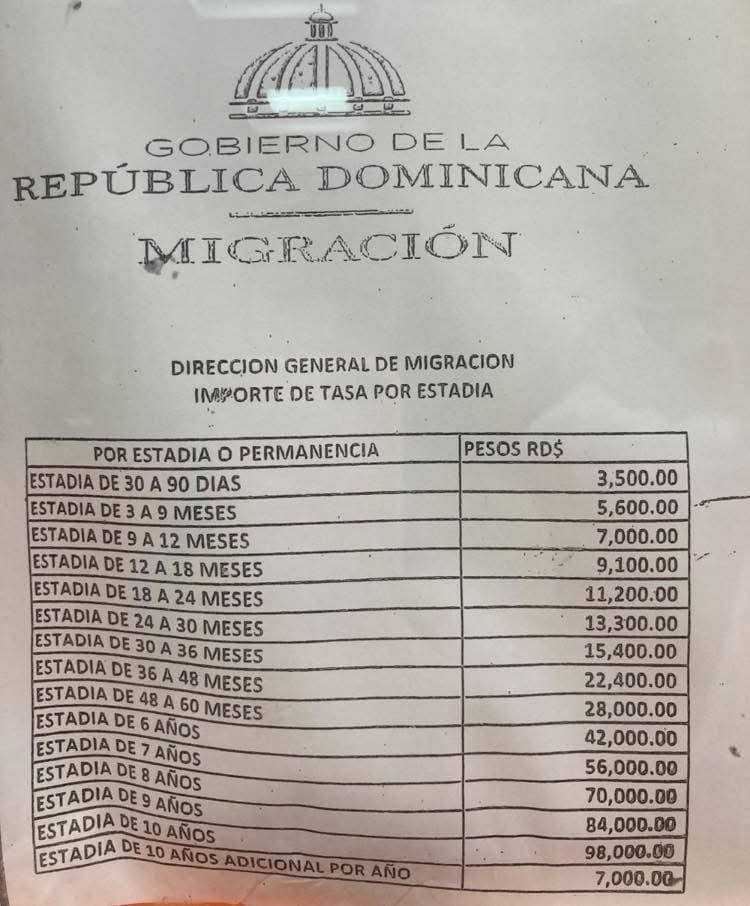
If you stay longer than your initial tourist admission allows, you can generally pay an overstay fee when leaving the country.
Buyers planning to live in the Dominican Republic for extended periods often choose residency for added convenience.

Can Foreigners Get a Mortgage?
Yes, although financing options are more limited than in North America or Europe.
Some Dominican banks offer mortgages to foreign buyers, while many developers provide financing on new construction projects.
Because mortgage requirements vary significantly, many international buyers choose to purchase property with cash.
Is Healthcare Good in the Dominican Republic?
Yes.
Private healthcare is modern, affordable, and widely used by both expatriates and locals.
Benefits include:
- Modern private hospitals
- Internationally trained physicians
- Affordable specialist care
- Competitive private health insurance
- English-speaking doctors in many tourist areas
Healthcare quality is especially strong in major cities and popular destinations along the North Coast.


Can I Rent My Property on Airbnb?
Yes.
Many owners generate rental income by listing their property on Airbnb and other vacation rental platforms.
Short-term rentals are particularly popular in tourist destinations such as:
- Sosúa
- Cabarete
- Punta Cana
- Las Terrenas
- Puerto Plata
Always verify whether your condominium or gated community has specific rental policies before purchasing.
What Are the Best Places to Buy Real Estate in the Dominican Republic?
The best location depends on your investment goals and lifestyle.
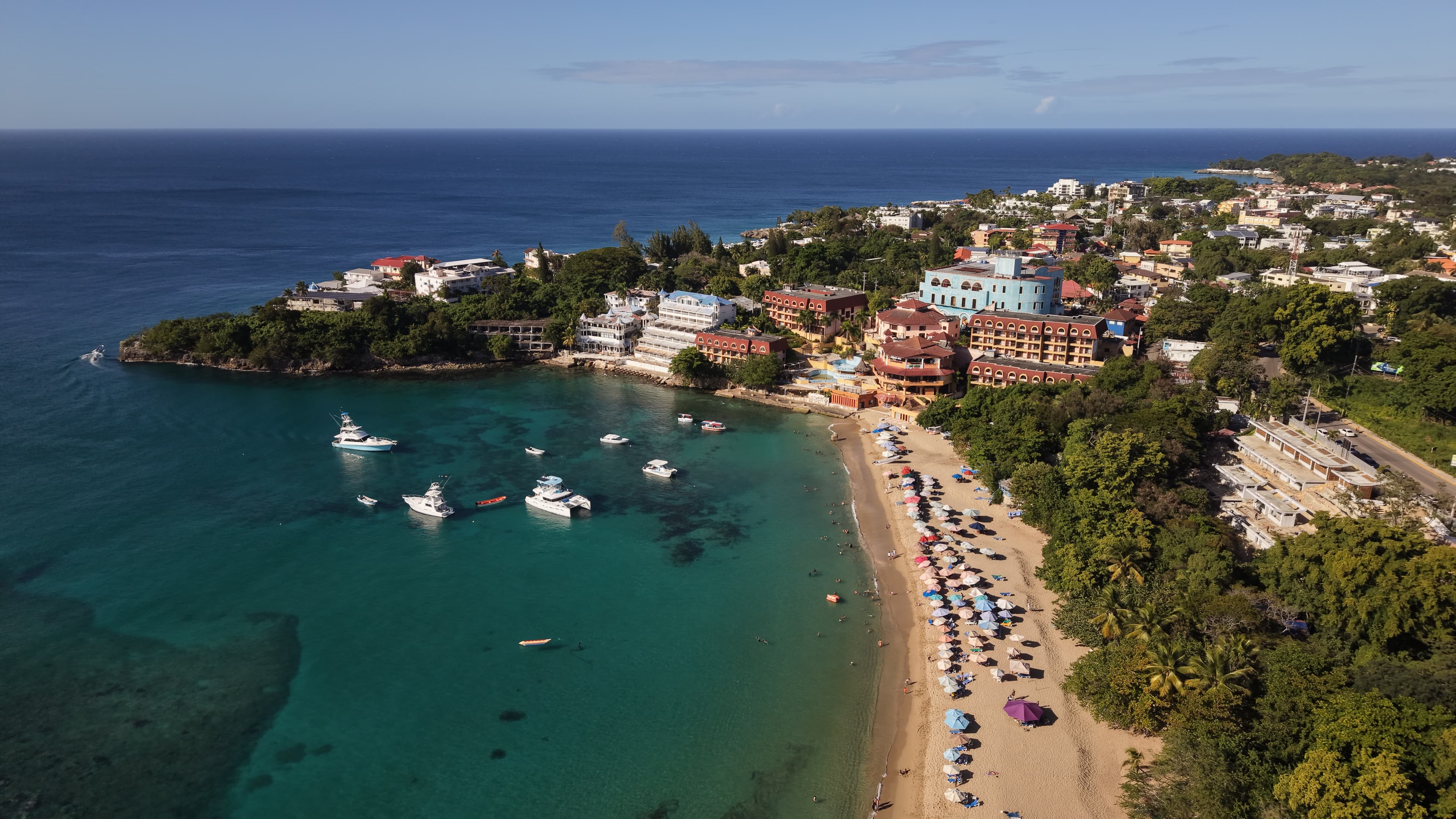
Sosua
One of the North Coast's most established international communities, offering beautiful beaches, gated villa communities, restaurants, and strong vacation rental demand.
Ideal for:
- Retirement
- Investment properties
- Vacation homes

Cabarete
Known worldwide for kiteboarding, surfing, and its vibrant beachfront lifestyle.
Popular with digital nomads, younger buyers, and investors seeking short-term rental income.
Puerto Plata
Offers excellent value, growing infrastructure, cruise tourism, and a historic city center.
A great option for buyers looking for long-term appreciation.
Punta Cana
The Dominican Republic's largest tourism destination, featuring luxury resorts, golf communities, international schools, and one of the strongest vacation rental markets in the Caribbean.
Las Terrenas
A favorite among international buyers seeking a relaxed atmosphere, stunning beaches, and a strong European community.
How Much Does Property Cost in 2026?
Prices vary depending on location, amenities, and proximity to the beach, but approximate starting prices are:
Studio Apartment - From USD 60,000
One-Bedroom Condo - From USD 80,000
Two-Bedroom Condo - From USD 120,000
Villas - USD 200,000–400,000+
Luxury Beachfront Homes - USD 1 Million+
Prime beachfront locations and luxury gated communities typically command higher prices.
Why Should I Work With a Local Real Estate Agent?
An experienced local real estate agent provides much more than access to listings.
A professional agent can help you:
- Find properties that match your goals
- Identify fair market value
- Negotiate the purchase price
- Recommend trusted attorneys and inspectors
- Explain local market conditions
- Guide you through every step of the buying process
Working with a knowledgeable local expert can save both time and money while helping you avoid costly mistakes.

Is Hiring a Lawyer Necessary?
Yes.
Hiring an independent real estate attorney is strongly recommended for every property purchase.
Your lawyer will:
- Conduct legal due diligence
- Verify ownership
- Review contracts
- Confirm there are no liens or legal disputes
- Register the title transfer
- Protect your interests throughout the transaction
Legal representation is one of the most important safeguards when buying property abroad.


Why Invest in Dominican Republic Real Estate?
The Dominican Republic continues to attract investors from around the world for several reasons:
- No restrictions on foreign ownership
- Competitive property prices
- Strong tourism industry
- Growing demand for vacation rentals
- Year-round tropical climate
- Stable and transparent buying process
- Excellent lifestyle for retirees, investors, and remote workers
Whether you're looking for passive rental income, long-term appreciation, or a Caribbean home for personal use, the Dominican Republic offers opportunities across nearly every budget.
Final Thoughts
Buying property in the Dominican Republic is a straightforward process when you work with experienced professionals and complete proper legal due diligence.
With unrestricted foreign ownership, relatively low purchase prices, strong rental demand, and a growing real estate market, the country continues to be one of the Caribbean's most attractive destinations for international buyers.
If you're considering buying a condo, villa, beachfront home, or investment property, taking the time to understand the legal process, taxes, and ownership rules will help ensure a smooth and secure transaction.